
| Key takeaway: Managing global teams involves navigating a labyrinth of local labor codes and strict data privacy regulations. Without a structured approach, organizations face significant financial risks, as the average cost of payroll non-compliance alone reaches 845 dollars per employee annually. Identifying gaps in employment contracts or safety protocols before they escalate is a major challenge for modern managers. |
A comprehensive HR compliance audit checklist serves as a strategic blueprint to secure your operations and protect your reputation.
To that end, let’s look at the essential steps to verify legal alignment, ensure data protection, and leverage digital tools to maintain a healthy, compliant organization.
Foundations for an HR Compliance Audit Checklist
A rigorous HR audit serves as a health check, identifying gaps in employment contracts, GDPR data protocols, and local labor law alignment. Regular reviews prevent legal risks and financial penalties by ensuring operational transparency.
The focus on legal alignment naturally starts with the core of the employee relationship: the contract.
Employment Contracts and Legal Alignment
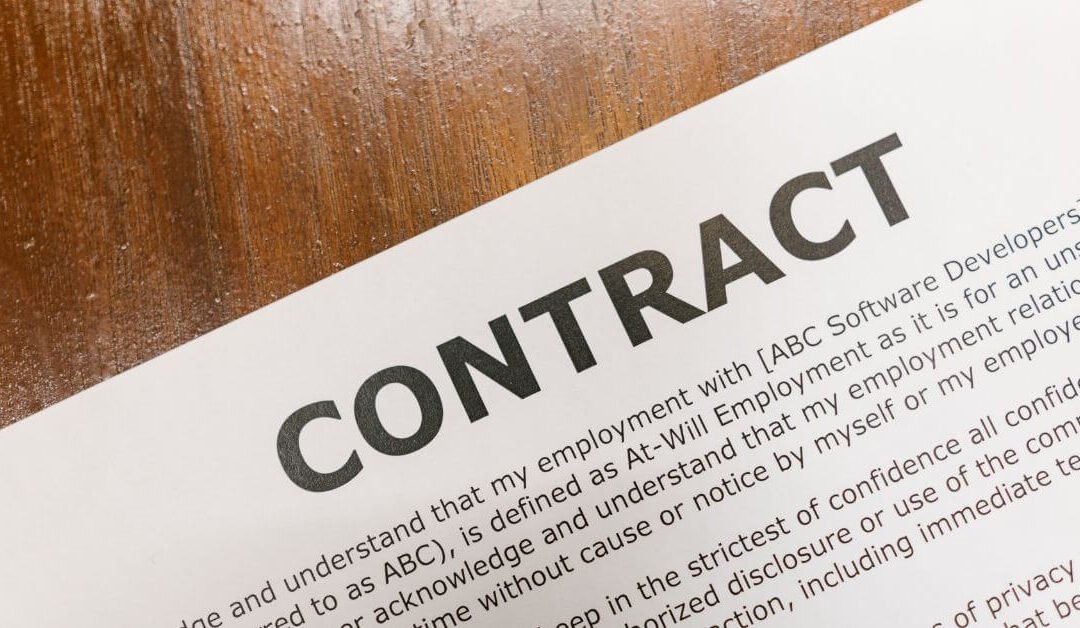
Verify probation periods and notice requirements for each country where you employ staff. These terms must comply with local labor laws, as requirements can vary significantly across European jurisdictions. Reviewing them during the hiring process can help reduce the risk of disputes or wrongful termination claims later.
Right-to-work documentation should also be verified and maintained for every international hire. Employers should confirm the appropriate identity and work authorization documents and keep records securely in accordance with applicable privacy and data protection requirements. A structured HR compliance checklist can help ensure that these checks are completed consistently.
Finally, review the agreements and documentation associated with each role, including employment contracts, confidentiality agreements, and other role-specific documents. International hires may be subject to additional local requirements, so businesses should complete country-specific checks rather than relying solely on a standard US hiring process.
Data Protection and Privacy Standards
Audit data processing agreements and other arrangements involving employee information to ensure they comply with the GDPR and applicable local data protection requirements. Businesses should also provide appropriate transparency around employee monitoring and surveillance, including clear information about what data is collected, why it is collected, and how it is used.
Review access controls for personnel files regularly. Access to sensitive employee information should be limited to authorized individuals based on their job responsibilities. Strong access controls can reduce the risk of unauthorized disclosures and help businesses meet their data protection obligations.
Record retention should also be managed carefully. Payroll and employment records may be subject to specific statutory retention periods that vary by country and record type. Companies should maintain a documented retention schedule and securely delete information when it is no longer required, taking applicable legal obligations into account.
Finally, review employee privacy notices to ensure they are current and accurately explain employees’ data protection rights. Rather than relying on employee signatures as proof of GDPR compliance, businesses should make sure notices are properly provided and that any required acknowledgments or consent processes are handled in accordance with applicable law.
- Verify all identity and right-to-work documents
- Align notice periods with current labor laws
- Securely store sensitive personnel data files
- Update privacy notices for GDPR transparency
Operational Steps in an HR Compliance Audit Checklist
Moving from legal foundations, we must look at the daily machinery of HR operations, starting with the precision of payroll systems.
Payroll Accuracy and Statutory Contributions
Compare actual wages against the agreed salary structures for each employee. Review overtime payments, bonuses, allowances, and other compensation elements for discrepancies. Accurate payroll is essential for maintaining employee trust and meeting local employment requirements.
Audit social security contributions and tax withholdings carefully. Errors in these calculations can result in interest, penalties, and additional administrative costs. Businesses should also verify that payslips meet the formatting, language, and information requirements applicable in each country.
These checks support accurate financial management and social security compliance across European operations, helping businesses identify payroll issues before they develop into larger regulatory problems:
- Verification of minimum wage adherence
- Calculation of statutory sick pay
- Accuracy of pension contributions
- Validation of tax codes
Health Safety and Remote Work Protocols
Assess health and safety requirements for remote employees, as an employer’s duty of care may extend beyond the traditional office environment. Review incident records, first aid procedures, and existing workplace risk assessments to ensure they account for remote and hybrid working arrangements.
Businesses should also review their remote work policies and procedures to ensure they address country-specific health and safety requirements. A structured Remote Work Compliance Checklist can help organizations identify gaps and establish consistent internal processes for managing remote work across Europe.
Finally, check that employees have appropriate equipment and ergonomic support to work safely from their chosen location. Providing the right tools and guidance can reduce workplace risks while helping employees maintain a safe and productive working environment.
Equality and Inclusion Policy Audits
Monitor diversity quotas and pay gap transparency. These reports are now mandatory in many jurisdictions. Validate that anti-harassment training is up to date for all staff.
Check recruitment ads for non-discriminatory language. Biased wording can lead to legal challenges. Ensure grievance procedures are clearly documented and accessible to every single employee.
Risk Controls for an HR Compliance Audit Checklist
Beyond daily operations, managing high-level risks like global mobility and corporate governance is what separates a good HR team from a great one.
Global Mobility and Immigration Management
Track visa expiration dates for international talent. Missing a deadline can result in immediate deportation risks and you will need to verify work permit validity for all cross-border assignments within the company.
Review post-Brexit requirements for Schengen area operations because the rules for UK citizens in Europe have shifted significantly. Ensure your mobility policy reflects these changes. Failure to comply disrupts business travel and projects.
Effective audits help in identifying workplace risks and gaps as this proactive approach protects your global workforce and organizational reputation.
Corporate Governance and Statutory Filings
|
Filing Type |
Frequency |
Key Requirement |
Risk of Non-Compliance |
|
Annual General Meeting |
Annual |
Documenting resolutions and minutes |
High |
|
Controller Registration |
Ongoing |
Identifying ultimate beneficial owners |
High |
|
Economic Substance |
Annual |
Proving local physical presence |
Medium |
|
Director Filings |
Event-driven |
Reporting board changes immediately |
High |
Verify that significant controllers and other required ownership information are properly recorded with the relevant national authorities. Review annual general meeting minutes and corporate records for accuracy, completeness, and timely filing to help ensure the entity remains in good legal standing.
Review applicable economic substance requirements, particularly for international entities operating in jurisdictions with specific substance rules or lower tax rates. Keep required filings and supporting documentation up to date to reduce the risk of penalties and regulatory issues.
Finally, review director appointments and changes to corporate leadership. Ensure that required updates are reported to the appropriate national corporate registry within the applicable deadlines and that internal corporate records remain consistent with those filings.
Digital Tools for an HR Compliance Audit Checklist
Managing these risks manually is a recipe for disaster, so let’s look at how digital tools can automate your compliance journey.
Centralized Record Keeping and Audit Trails
Set up automated alerts for statutory deadlines. Manual tracking often leads to missed filings. Digital systems provide a safety net for busy HR managers handling multiple jurisdictions.
Maintain secure digital archives. User access must be restricted to protect sensitive data. Log history should track every change made to employee records to ensure a clear audit trail.
Effective documentation supports HR Operations within your firm as centralization helps maintain legal consistency across borders.
Verify the integrity of digital signatures since they must be legally binding in the country of the employee’s residence.
AI Transparency and Reporting Systems
Audit AI algorithms for bias in hiring. The EU AI Act mandates strict transparency for high-risk HR systems. Ensure your software doesn’t inadvertently discriminate against specific candidate groups.
Review real-time reporting tools. These systems provide instant visibility into compliance status. Managers can identify issues before they escalate into legal problems or costly regulatory fines.
Verify compliance with emerging tech mandates. Use the HR compliance audit insights to guide your reporting structure because data ethics should be at the heart of your digital strategy. This builds long-term trust.
Wrapping Up
Maintaining a rigorous HR compliance audit checklist ensures legal alignment, payroll accuracy, and robust data protection. By proactively identifying gaps, you prevent costly penalties and foster a secure, equitable workplace. Implementing these digital controls today secures your global expansion and builds lasting institutional trust for the future.