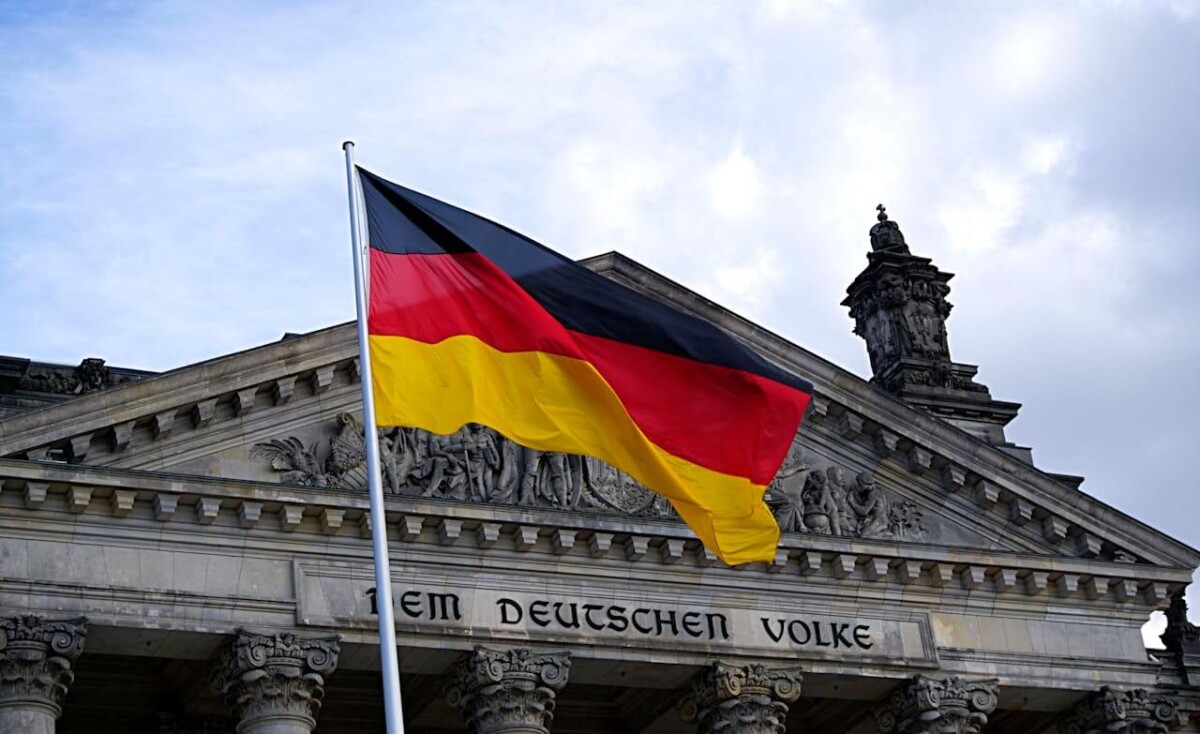
Managing HR compliance in Germany presents significant challenges due to its complex, multi-layered legal framework.
For businesses operating in one of Europe’s most regulated labor markets, understanding German labor laws, employment contracts, and worker protection statutes is vital to avoid legal risks and operational disruptions.
This guide demystifies key compliance pillars—from payroll regulations and data protection to workplace safety and strategic HR management—while offering actionable insights to align practices with Germany’s evolving regulatory landscape.
Key German HR Compliance Authorities and Their Functions
| Authority | Key Functions/Responsibilities | Compliance Impact for Employers |
| Bundesagentur für Arbeit (Federal Employment Agency) | Administers subsidized training programs to enhance employee skills and workforce development | Enables employers to access government-funded training while meeting employee development obligations |
| Works Council (Betriebsrat) | Represents employee interests and co-determination rights in workplace decisions | Requires mandatory consultation with employers on HR policy changes, restructuring, and operational decisions |
| Tax Authorities (Finanzamt) | Oversee payroll tax (Lohnsteuer) compliance and social security (Sozialversicherung) contributions | Demands precise calculation and timely reporting of income tax, pension, healthcare, and unemployment contributions |
| Labor Inspectorates (Gewerbeaufsichtämter) | Enforce labor laws covering working hours, minimum wage, and anti-discrimination regulations | Conduct workplace audits and impose penalties for violations of core labor standards |
| Health and Safety Authorities | Monitor workplace safety (Arbeitssicherheit) and occupational health regulations | Requires strict adherence to safety protocols to avoid fines and legal consequences |
| Data Protection Authorities (BfDI/BfB) | Enforce GDPR compliance for employee data processing and storage | Mandates robust data protection measures and breach reporting procedures for HR records |
| Social Security Agencies (Deutsche Rentenversicherung) | Administer pension insurance, statutory health insurance, and long-term care coverage | Requires accurate contribution calculations and mandatory enrollment of employees |
Understanding German Labour Law for Employers
German HR compliance operates within a multi-layered legal framework. Businesses must navigate statutory requirements, collective bargaining agreements, and court rulings to ensure proper employee treatment while avoiding legal risks. Core components include written employment contracts, working time restrictions, minimum wage laws, and parental leave regulations.
German labor law derives from federal statutes like the Federal Vacation Act, state-level regulations, and industry-specific collective agreements (Tarifverträge). A thorough Understanding HR Operations is important, as judicial decisions from labor courts significantly influence interpretation. For instance, recent rulings require systematic time tracking under the Working Time Act, while sectoral agreements often set higher pay standards than the national minimum wage of €12.82/hour.
Employment Contracts and HR Policies in Germany
Germany employment law emphasizes worker protection through statutory safeguards, social partnership models, and codetermination mechanisms. The Works Constitution Act establishes mandatory Works Council representation in companies with five or more employees, requiring employer consultation on operational changes. These principles balance employee rights in Germany with business operational needs.
Employers must implement written employment contracts within one month of hire or face fines up to €2,000 per violation. The Dismissal Protection Act limits terminations in companies with more than ten employees, mandating legitimate business reasons. Social security contributions reach 21.5% of payroll, covering pension, healthcare, unemployment, and long-term care insurance. International firms must navigate these German employment regulations alongside potential collective bargaining agreements affecting their sector.
Hiring Employees in Germany: HR Compliance Checklist
Hiring employees in Germany requires careful attention to local employment laws, payroll requirements, and employee rights. Use this checklist to cover the key HR compliance steps before and after bringing a new employee on board.
Prepare a written employment contract that complies with German employment law
Include required terms such as job duties, salary, working hours, vacation entitlement, and notice periods
Verify the employee’s identity and right to work in Germany
Collect the employee’s tax identification number and required payroll information
Register the employee with the relevant social security authorities
Register for statutory health, pension, unemployment, and long-term care insurance contributions
Ensure payroll and wage tax withholding are set up correctly
Provide information about working hours, rest periods, and overtime requirements
Confirm statutory paid vacation entitlement
Provide legally required workplace health and safety information
Check whether collective bargaining agreements or works council requirements apply
Ensure employee data is collected and processed in line with GDPR requirements
Provide required policies, procedures, and employee handbook information
Document probationary arrangements and applicable termination requirements
Maintain accurate employment and payroll records
Keep up with changes to German employment and HR regulations
Employee Rights and Workplace Regulations in Germany
German labor laws establish strict parameters for employment relationships. The Arbeitszeitgesetz limits work hours to 8 daily with mandatory breaks, while the Mindestlohngesetz sets minimum wage at €12.82 hourly (rising to €15 by 2026). Termination protections under Kündigungsschutzgesetz apply to companies with 10+ employees, requiring legitimate business reasons for dismissals. Social security obligations reach 21.5% of payroll, covering healthcare, pensions, and unemployment insurance.
- Working Time Act (Arbeitszeitgesetz): Mandates maximum 8-hour workdays, 30-minute breaks for 6+ hour shifts, and 11 consecutive hours of daily rest
- Minimum Wage Act (Mindestlohngesetz): Sets legal wage floor at €12.82/hour, with sector-specific adjustments through collective bargaining agreements
- Dismissal Protection Act (Kündigungsschutzgesetz): Prohibits arbitrary terminations in companies with 10+ employees, requiring documented performance issues or business necessity
- Social Code (Sozialgesetzbuch): Requires employer/employee contributions to five insurance branches: health, pension, unemployment, long-term care, and accident insurance
Leave Entitlements and Social Security
German law mandates minimum 20 working days annual leave, with collective agreements often extending this to 25-30 days. Employers must maintain wages for six weeks during illness while managing statutory health insurance (Krankenkasse) contributions. Workplace safety regulations under Arbeitssicherheitsgesetz require risk assessments and safety officer appointments in companies with 20+ employees. Social security contributions at 21.5% cover healthcare, pensions, and unemployment, with mandatory enrollment in statutory schemes.
Employment Contracts and Worker Classification
German employment law mandates written contracts within one month of hire, specifying job duties, compensation, and working hours. Fixed-term contracts require objective justification—such as maternity leave replacements—to exceed 24-month limits. Improper worker classification risks retroactive social security payments and legal penalties for misclassified roles.
Worker status determination uses nine criteria, including personal dependency and business integration. Misclassification triggers retroactive social contributions, with potential personal liability for executives. The Federal Social Court reported 31% of IT freelancers faced reclassification, emphasizing proper status assessment before engagement.
Termination Regulations and Employee Protection
German termination laws require valid grounds—personal, behavioral, or operational—for companies with more than 10 employees. Notice periods range from four weeks (less than two years’ tenure) to seven months (more than 20 years’ service), with strict procedural requirements, as detailed in HR Compliance in Employee Termination.
The Dismissal Protection Act (Kündigungsschutzgesetz) mandates social selection criteria for operational dismissals, considering tenure, age, and family obligations. Employers must consult works councils on terminations. Probation periods up to six months allow easier terminations, while post-probation dismissals require documented performance management processes.
Works Councils and Employee Representation
Works Councils (Betriebsrat) hold co-determination rights on working conditions, requiring employer consultation for personnel planning, safety protocols, and operational changes. Their mandatory involvement starts at five employees, with election cycles every four years.
Employers must obtain works council approval for hiring, transfers, and collective agreements. Bypassing consultation rights invalidates decisions, potentially triggering court intervention. The 2022 Labor Court ruling reinforced council involvement in digital workplace transformations, emphasizing structured cooperation for compliance.
Payroll Compliance and Tax Obligations
German payroll compliance involves withholding income tax (Lohnsteuer) and social security contributions (Sozialversicherung) covering healthcare, pensions, and unemployment. Combined contributions reach 40% of gross payroll, with precise calculation requirements for statutory insurance schemes.
Common compliance issues include incorrect tax class application and documentation failures. Employers must maintain detailed pay slips and annual reports, with non-compliance risking fines up to €500,000. Quarterly reconciliation and digital record-keeping help satisfy Finanzamt requirements while preventing costly errors.
Effective Employment Documentation
Creating compliant employment contracts requires including mandatory elements like job scope, compensation details, and termination clauses. Employers should align workplace policies with collective bargaining agreements where applicable. HR Audit vs. HR Compliance highlights documentation standards that withstand legal scrutiny.
German law mandates retaining personnel records for six years post-employment, including payroll documents and performance evaluations. GDPR compliance requires secure storage of employee data, with restricted access to sensitive information. Companies must maintain written records for three years post-employment to satisfy tax authority requirements.
Managing Time Tracking and Working Hours
German labor law requires systematic time tracking since 2022, per Arbeitszeitgesetz. Employers must document start/end times and breaks for all workers, including remote employees.
- Mandatory daily start/end time recording
- Breaks logged for shifts exceeding six hours
- Two-year retention of time records
- Employee access to personal time data
Implementing digital time tracking tools like TimeMoto Cloud ensures compliance with German requirements. Unlocking the Secrets to Seamless Cross-Border HR Compliance emphasizes digital solutions for managing international teams while adhering to strict German labor standards.
Leave Management and Absence Policies
German law guarantees minimum 20 working days annual leave for five-day workweeks. Employers must track accrued and used leave days, with carry-over options specified in employment contracts or collective agreements.
German Leave Entitlements Comparison Chart
| Type | Duration | Employer Obligations |
| Annual Leave | 20 days (5-day week) | Must document leave balances and carry-over policies |
| Sick Leave | Up to 78 weeks | Pay wages for 6 weeks, obtain medical certification after 3 days |
| Parental Leave | 3 years per child | Maintain job protection and benefits during leave |
Structured absence management systems prevent leave payout liabilities. Employers should require advance notice for annual leave and medical documentation for extended absences. Implementing digital leave tracking tools reduces administrative burdens while maintaining compliance.
Digital Transformation in HR Compliance
Technology reshapes German HR compliance through digital record-keeping and automated monitoring. Blockchain secures employment verification, while AI automates risk assessments. These tools streamline payroll reporting and ensure GDPR-compliant data management for employee records.
German regulators adapt to tech innovations through frameworks like the AI Act, which mandates risk assessments for high-risk HR systems. Blockchain-based diploma verification, as demonstrated by MIT and University of Paris, reduces credential fraud. AI-driven compliance tools flag payroll calculation errors and document retention issues before audits.
HR Challenges for International Companies Expanding to Germany
Compliance challenges for remote workers include applying German labor laws to home offices and GDPR restrictions on employee data. Cross-border employment requires adherence to local tax and social security regulations, complicating multi-jurisdictional hiring. Companies need to be aware of any requirements for an EU work visa for US citizens should they decide to relocate them in Germany.
Employer of Record (EOR) Germany services simplify compliance by handling German payroll, tax filings, and works council consultations. Unlocking the Secrets to Seamless Cross-Border HR Compliance highlights EORs managing statutory health insurance enrollment and minimum wage calculations. These services prevent misclassification risks while enabling global workforce expansion without entity establishment.
The Future of Human Resources in Germany
Addressing German labor laws demands precision in employment contracts, Works Council engagement, and payroll compliance to avoid costly penalties. Proactive measures—like digital HR systems and legal audits—ensure alignment with evolving regulations. By prioritizing structured compliance, businesses mitigate risks while fostering a stable, competitive presence in Germany’s dynamic labor market.
Frequently Asked Questions (FAQ)
What is HR compliance in Germany?
HR compliance in Germany means following German employment laws and regulations when managing employees. This includes employment contracts, working hours, minimum wage, employee benefits, social security, payroll, leave, termination procedures, and data protection. Employers must also comply with applicable collective agreements and employee representation requirements.
How does German labor law protect employees?
German labor law protects employees through rules covering working hours, minimum wage, paid leave, sick leave, parental rights, dismissal protection, workplace safety, and anti-discrimination. Employees may also receive additional protection through collective bargaining agreements and works councils, depending on the employer and workplace.
What are the standard working hours in Germany?
Standard working hours in Germany are generally eight hours per working day, with the Working Time Act typically limiting work to 48 hours per week based on a six-day working week. Working time can be extended to 10 hours per day if the average remains within eight hours over the required reference period.
Can foreign companies hire employees in Germany without opening a local entity?
Yes, foreign companies can hire employees in Germany without establishing a local legal entity by using an Employer of Record (EOR). The EOR becomes the legal employer in Germany and handles employment contracts, payroll, taxes, social security, and other local compliance requirements.
What are the biggest HR compliance risks in Germany?
The biggest HR compliance risks in Germany include incorrect employment contracts, payroll and social security errors, working-time violations, unlawful termination, employee misclassification, data protection breaches, and failure to meet employee representation requirements. Foreign companies must also understand Germany’s strict employment protections and mandatory employer obligations.

![HR Compliance Training for Employees [FMLA ADA COBRA]](https://europe-hr-solutions.com/wp-content/uploads/2025/06/HR-Compliance-Regulations-for-Employees-FI-1080x675.jpg)